
Bill C-14 Bail Reform: What Vancouver Accused and Defence Lawyers Need to Know About Canada’s Sweeping Criminal Code Changes
 As a Vancouver criminal defence lawyer with years of experience navigating British Columbia courts, I’ve seen firsthand how shifts in bail laws can dramatically affect the lives of those accused of crimes. In the past week, fresh developments around Bill C-14, the Bail and Sentencing Reform Act, have kept criminal law practitioners across Canada on high alert. With Senate amendments under consideration by the House of Commons as of early June 2026, this legislation represents one of the most significant overhauls to the Criminal Code in recent memory.
For anyone facing charges in Vancouver or elsewhere in BC, understanding these proposed changes is essential. Whether you’re a first-time accused, a repeat offender, or simply concerned about justice system fairness, this post breaks down the key elements, their implications, and practical takeaways.
Why Bail Reform is Front and Centre in Canadian Criminal Law
Canada’s bail system operates on foundational principles: the presumption of innocence, the right to reasonable bail under section 11(e) of the Charter, and the “ladder principle” from R. v. Antic (2017 SCC 27), which favours the least restrictive conditions necessary. Yet public concern over repeat offenders committing crimes while on release has fueled calls for tougher measures.
Bill C-14, introduced in late 2025, responds with over 80 targeted amendments to the Criminal Code, the Youth Criminal Justice Act, and the National Defence Act. It expands reverse onus provisions, toughens sentencing for violent and organized crime, and recalibrates how justices assess detention. Recent Senate scrutiny and advocacy from groups like the Canadian Civil Liberties Association (CCLA) highlight the tension between public safety and individual rights.
In BC, where Vancouver’s busy courthouses already strain under caseloads, these changes could reshape pre-trial outcomes significantly.
Key Provisions in Bill C-14: Reverse Onus, Sentencing, and More
At its core, Bill C-14 bail reform introduces or expands reverse onus for several serious offences. Accused persons must now demonstrate why they should be released rather than the Crown proving why they should be detained. This applies to offences involving:
- Violence or weapons
- Breaking and entering
- Auto theft
- Organized crime involvement
Additional measures include restrictions on sureties with recent indictable convictions (with Senate-proposed safety valves for discretion) and adjustments to the principle of restraint, potentially reducing emphasis on the ladder principle for certain charges.
On the sentencing side, the bill aims to impose consecutive sentences for major crimes, limits conditional sentences (house arrest) for serious sexual offences, and strengthens tools against repeat violent offenders. These align with broader government efforts to address community safety while responding to criticisms of prior reforms like Bill C-75.
Recent CCLA advocacy urges MPs to adopt Senate amendments, including mandatory consideration of section 493.2 (Criminal Code) factors for vulnerable populations—particularly Indigenous accused—and enhanced annual reporting on pre-trial detention statistics. These “softening” measures seek to mitigate disproportionate impacts on racialized, low-income, and Indigenous communities, which are overrepresented in BC’s justice system.
Implications for Vancouver Criminal Defence Practice
As a Vancouver-based lawyer handling everything from impaired driving to serious indictable matters, I anticipate several practical shifts:
- Higher Detention Rates Pre-Trial: Expanded reverse onus will make it harder to secure release for clients facing listed offences. Defence counsel will need to prepare robust sureties packages, character evidence, and risk mitigation plans earlier. In Vancouver Provincial and Supreme Courts, where bail hearings are already high-stakes, expect more contested tertiary ground arguments (public confidence in justice).
- Impact on Vulnerable Clients: Indigenous clients, those with mental health issues, or from marginalized communities may face heightened challenges. Senate amendments requiring inquiry into s. 493.2 factors could provide a crucial tool, but implementation will depend on judicial training and Crown practices.
- Sentencing Trends: Tougher consecutive sentencing and restricted conditional discharges will push for more creative mitigation strategies. Defence lawyers must emphasize Gladue principles (for Indigenous offenders) and other mitigating factors more forcefully.
- Interaction with Jordan Principles: The Supreme Court of Canada’s recent May 2026 clarifications in cases like R. v. Vrbanic and R. v. Jacques-Taylor affirm the 18/30-month ceilings for trial delays while recognizing complexity exceptions. Faster bail decisions under Bill C-14 could help or hinder, depending on how they affect overall timelines.
In BC, these federal changes intersect with local pressures, including court disruptions anticipated from the 2026 FIFA World Cup, which may force rescheduling of criminal trials in key Vancouver-area venues.
Balanced Analysis: Safety vs. Charter Rights
Critics, including civil liberties groups, argue that Bill C-14 risks eroding the presumption of innocence by detaining more presumptively innocent people, increased overcrowding in remand centres, and disproportionately affecting equity-seeking groups. Proponents counter that it restores balance after perceived leniency, deterring repeat offences and bolstering public trust.
From my perspective in Vancouver criminal law trenches, the truth lies in nuanced application. Blanket “tough on crime” measures rarely solve systemic issues like court backlogs or social determinants of crime. Evidence-based reforms, robust data collection (as Senate amendments propose), and judicial discretion remain vital.
The bill also arrives amid ongoing discussions about intimate partner violence, femicide presumptions, and organized crime – which are all issues that resonate strongly in British Columbia.
Practical Takeaways for Accused Persons and Practitioners
- Early Legal Advice is Critical: If charged, contact an experienced Vancouver criminal lawyer immediately. Bail strategy starts at arrest.
- Build Strong Release Plans: Gather employment letters, treatment programs, sureties, and electronic monitoring options proactively.
- Monitor Legislative Progress: With House consideration of Senate amendments ongoing, the final shape of Bill C-14 could evolve. Stay informed via reliable legal sources.
- Consider Charter Challenges: Overly broad reverse onus or restraint provisions may invite future litigation under sections 7, 11(d), and 11(e).
- For Lawyers: Emphasize individualized assessments. Leverage any preserved judicial discretion and vulnerable-population considerations.
Defence counsel should also prepare for potential increases in Crown appeals of favourable bail decisions.
Conclusion: Navigating Uncertainty in Canadian Criminal Law
Bill C-14 underscores a pivotal moment in Canadian criminal law. While aimed at enhancing safety, its success will hinge on fair implementation that respects Charter protections. For those in Vancouver facing charges, or law students and citizens following justice issues, these developments highlight why competent, zealous representation matters more than ever.
At our firm, we remain committed to advocating for clients amid these shifts, which includes fighting for releases where justified and challenging overreach where necessary. The justice system works best when balanced, evidence-driven, and humane.
This blog post is for educational purposes only and does not constitute legal advice. Every case is unique. If you or someone you know is facing criminal charges in Vancouver or BC, consult a qualified criminal defence lawyer promptly for personalized guidance.
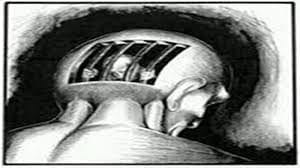
 A finding of NCRMD relates to automatism as a consequence of a mental disorder. Unlike automatism resulting from intoxication, it does not result in an acquittal. NCRMD is most commonly seen in cases where an Accused suffers from severe mental illness, such as schizophrenia. Across Canada, the number of Accused deemed NCRMD is small, however, media attention on these particular cases often results in public outrage.